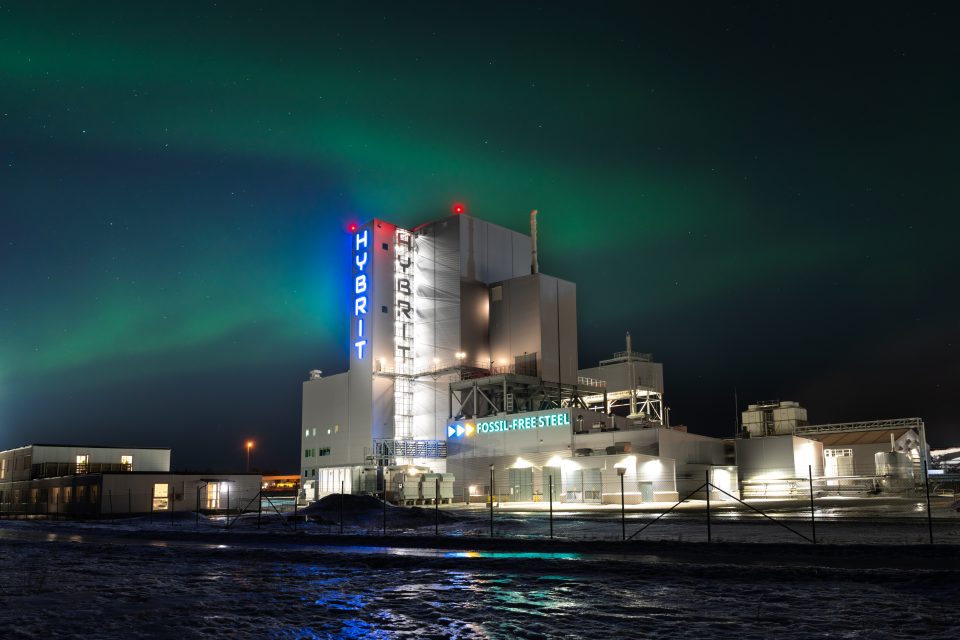
Decision on extended operation of HYBRIT’s pilot facility for fossil-free hydrogen storage in Luleå
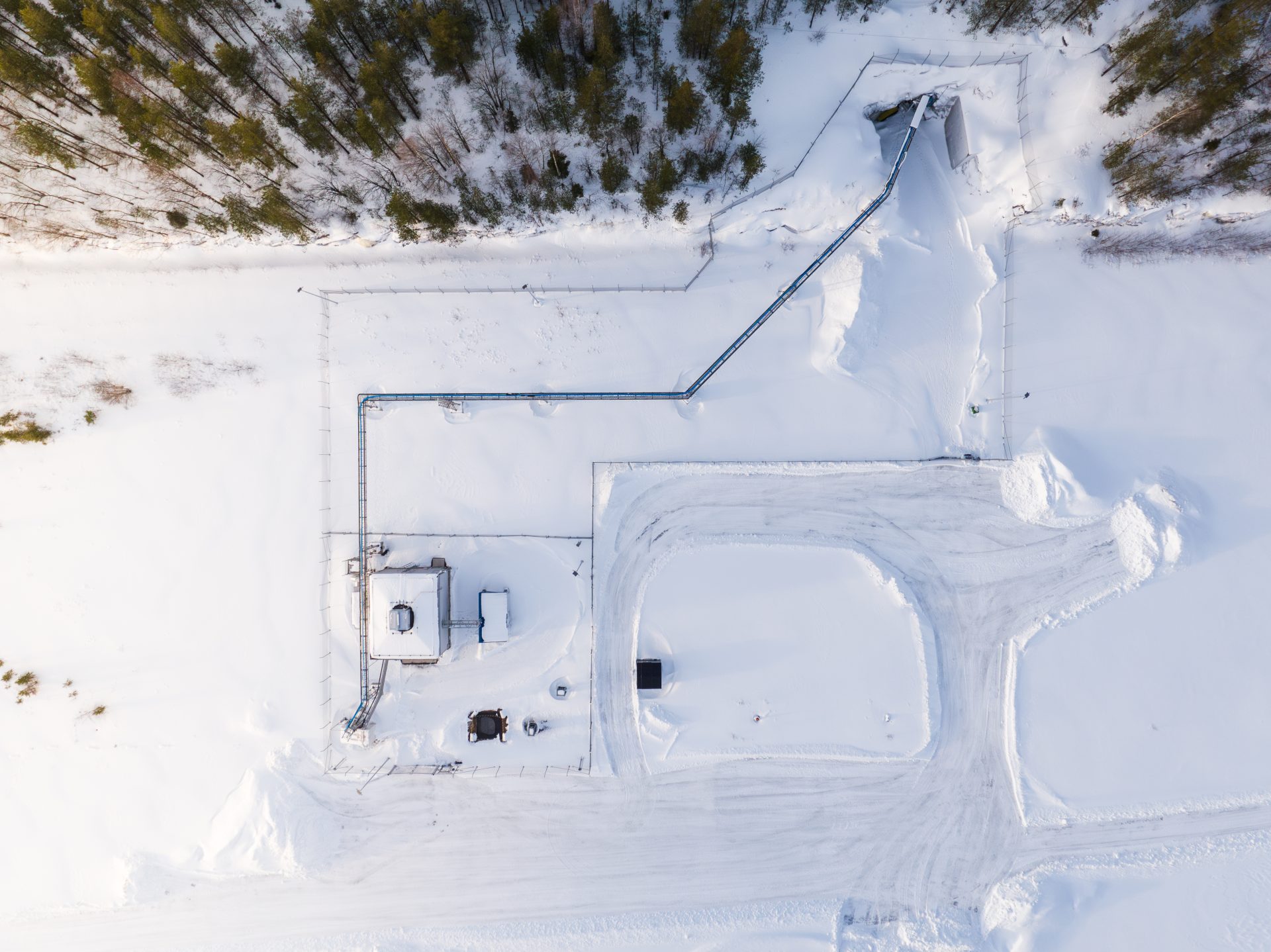
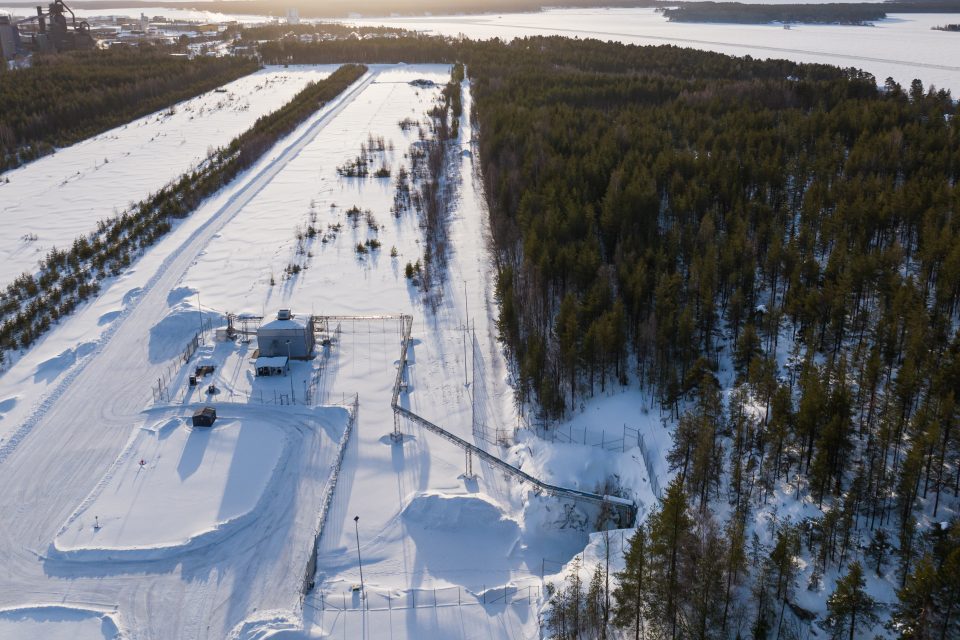
HYBRIT has been granted an extension of its temporary building permit, allowing the operation of the pilot facility for fossil‑free hydrogen storage in Svartöberget in Luleå until 2031.
The HYBRIT initiative was launched in 2016 by owners SSAB, LKAB and Vattenfall with the aim of developing the world’s first fossil-free, ore-based iron- and steelmaking. As part of this work, a pilot facility for fossil‑free hydrogen was commissioned in 2022, adjacent to HYBRIT’s pilot plant for direct reduction of iron ore pellets in Luleå. HYBRIT has applied for and been granted an extension of the temporary building permit for the pilot facility until 2031, which enables the continued pilot operation of the hydrogen storage in Svartöberget.
Fossil‑free hydrogen, which replaces coal and coke, is a crucial component of the production technology for fossil‑free iron and steel, where carbon dioxide emissions are essentially eliminated. Hydrogen storage is considered to have significant potential for reducing the production cost of hydrogen and for future power and energy balancing in large‑scale hydrogen production.
‘It is positive that the facility will continue to be available for testing in the future. It is a unique facility, and being able to carry out additional tests when needed is of great value as the technology is scaled up. The project’s tests have shown that hydrogen storage functions effectively within the HYBRIT value chain, supporting large-scale hydrogen users. A hydrogen storage shows likely savings of around 25-40% of the variable operating cost for hydrogen production,’ says Marie Anheden, Project Manager at Vattenfall.
The extended permit makes it possible to continue exploring the potential of hydrogen storage as support within the Swedish energy system through ongoing tests. Hydrogen storage is an important piece of the puzzle to electrify industrial processes while increasing the amount of weather-dependent power. The facility’s safety, function, and performance have been successfully demonstrated since 2022. Overall, the project proves that the technology is ready for industrialisation.
‘HYBRIT’s tests in the pilot facility in Luleå proves that the technology is ready for industrialisation and can help reduce production costs for hydrogen. We want to continue building knowledge and experience to further development of large-scale commercial storage facilities—next by continue developing integration with both the direct reduction process and the energy system through additional tests,’ says Gunilla Hyllander, CEO of Hybrit Development.
Facts:
- The pilot-scale hydrogen storage facility with a capacity of 100 cubic meters, is built in a rock cavern fitted with a steel liner situated 30 meters below ground in Svartöberget, Luleå.
- Building the storage in a rock cavern makes it possible to cost‑efficiently ensure the pressure required to store large amounts of energy in the form of hydrogen.
- The storage facility is built in accordance with the high safety requirements that are applicable.
- The pilot storage facility has been operating intermittently with hydrogen gas since 2022, in campaigns of 3 to 6 weeks. Around 5,700 hours of operation with combined hydrogen gas production and storage with 96% availability have been reached during the period up to and including 2025.
- The pilot storage facility has also been subjected to accelerated mechanical tests through frequent variations between high and low storage pressure. The tests performed correspond to the same mechanical load as during an expected lifetime of at least 50 years of operation.